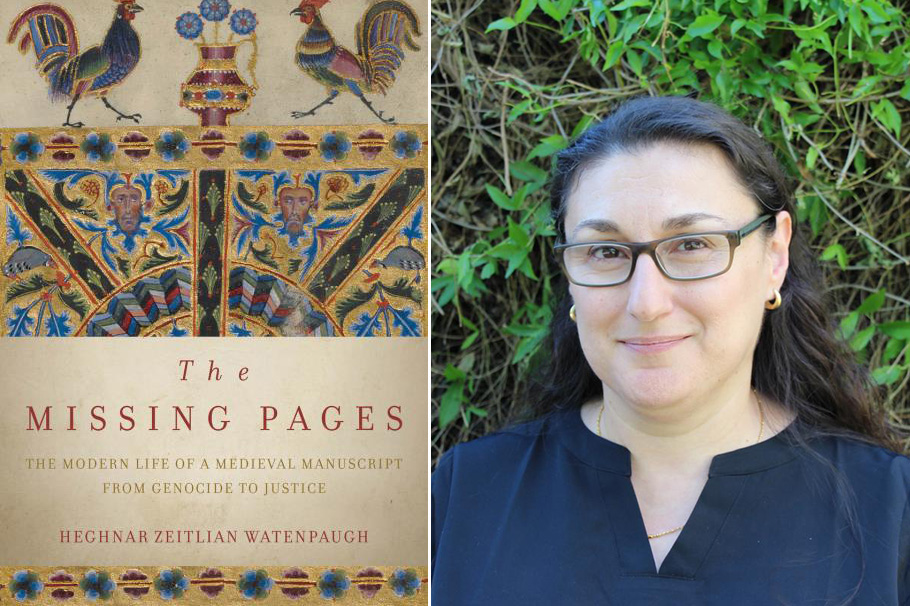

DAVIS, CA — Heghnar Zeitlian Watenpaugh, UC Davis art history professor, has been awarded a Guggenheim Fellowship, among 175 given by the John Simon Guggenheim Memorial Foundation to mid-career scholars, artists and scientists who have demonstrated a previous capacity for outstanding work and continue to show exceptional promise.
Heghnar Zeitlian Watenpaugh is the author of the award-winning The Missing Pages: The Modern Life of a Medieval Manuscript, from Genocide to Justice (2019). Read about it and hear a recording of Watenpaugh reading from the book here.
Watenpaugh joined the Department of Art and Art History in the College of Letters and Science in 2006. The Guggenheim will help advance her work on a book expanding on her 2014 article, “Preserving the Medieval City of Ani: Cultural Heritage Between Contest and Reconciliation” for the Journal of the Society of Architectural Historians, which won the Ömer Lütfi Barkan Article Prize from the Ottoman and Turkish Studies Association.
Her goal for the book is to provide “a global history of an extraordinary place and to look at all the interesting characters connected to Ani,” Watenpaugh said. The fellowship will support her time to write and finalize research. Ani was declared a world heritage site by UNESCO in 2016.
Between the 10th and 13th centuries, Ani was one of the world’s largest cities, with many architecturally advanced churches, palaces and fortifications. Invasions and an earthquake sent the “City of 1,001 Churches” into decline and eventual abandonment. Ani was rediscovered in the 19th century, coming to the attention of archeologists, historians, artists, photographers and others.
Watenpaugh’s book will examine the impact these latecomers had on the city and the impact the city had on them. Ani has been a touchstone site for many, including the founder of a mystical philosophy known as “The Fourth Way,” an art historian with Nazi sympathies, and the modern heritage preservation movement.
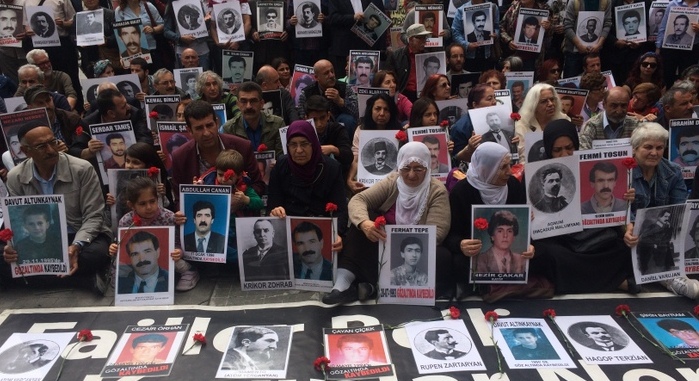
The site in present-day Turkey was caught up in the Armenian genocide of the early 20th century, as well as political turmoil in Turkey during the past few years.
“I had hoped to go back to the site, but now everything is up in the air,” said Watenpaugh, in reference to the political situation in Turkey and the COVID-19 global pandemic.