

NEW YORK — The United States used the prospect of Armenia gaining access to Nvidia’s advanced artificial intelligence chips as an incentive during negotiations that led Yerevan and Baku to a preliminary peace agreement, The Wall Street Journal reported, citing people involved in the talks.
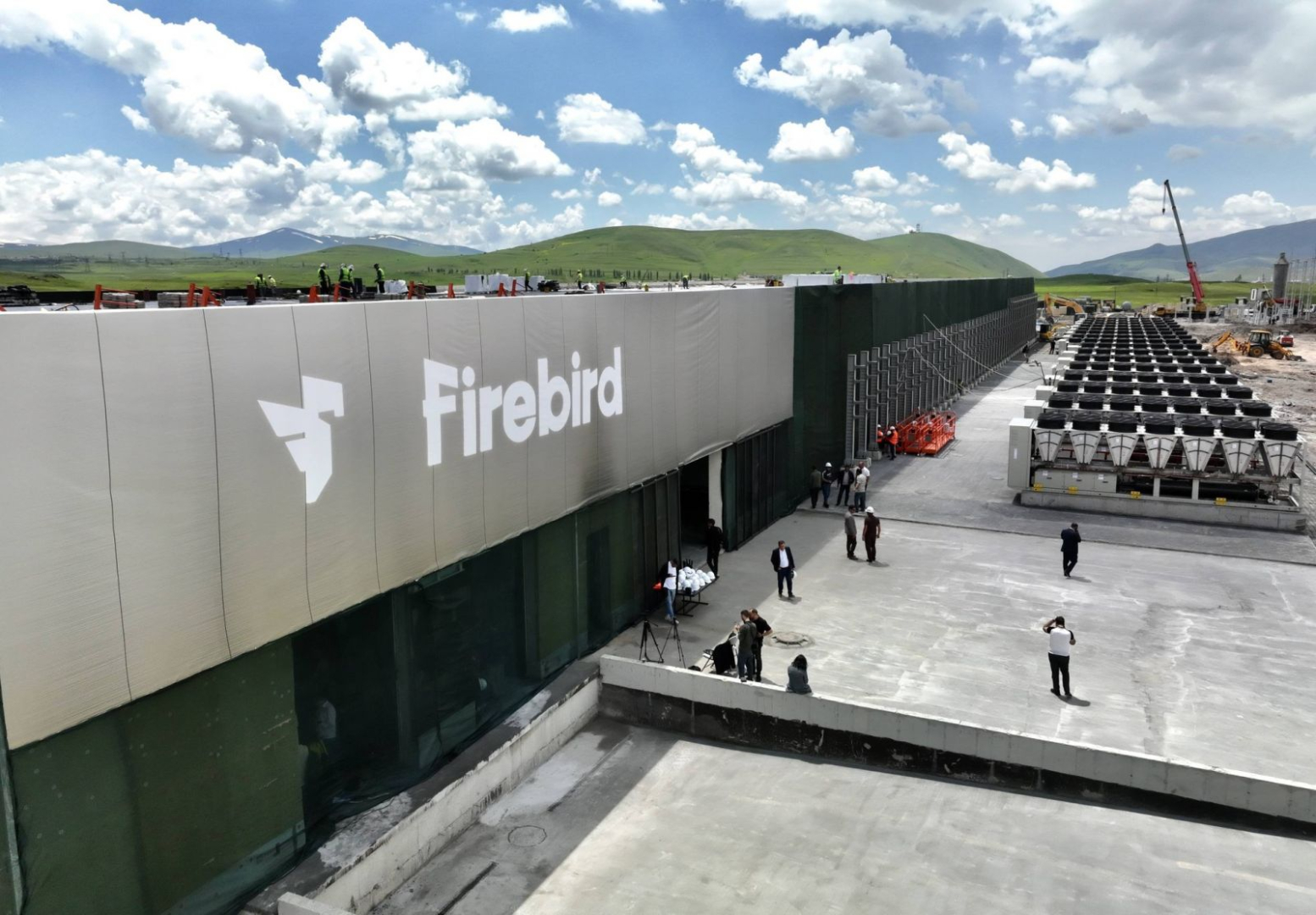
According to the WSJ, the initiative centered in part on the Firebird AI data center in Hrazdan, which opened last month and is expected to eventually house tens of thousands of advanced Nvidia chips.
The newspaper reported that Washington linked authorization for the sale of more powerful Nvidia chips to Armenia with a broader effort to deepen U.S.-Armenian economic and technological ties. The WSJ described the initiative as one of the most prominent examples of what U.S. officials have called “chip diplomacy.”
According to the report, when the Trump administration took office in early 2025, securing peace in the South Caucasus became one of its foreign policy priorities. U.S. negotiators reportedly concluded that the domestic political cost of resolving the conflict was high for Armenian Prime Minister Nikol Pashinyan and that an agreement could become more achievable if accompanied by stronger economic ties with the United States.
Among the incentives under consideration was U.S. authorization for Armenia to acquire more powerful Nvidia chips.
Pashinyan’s press secretary, Melanya Harutyunyan, told the WSJ that achieving peace with Azerbaijan had been the government’s “most important promise” and that the prime minister had a “clear mandate” from the public to pursue it.
She described the bilateral agreements signed in Washington in August 2025, including a memorandum concerning semiconductors and artificial intelligence, as important “peace dividends” for Armenia.
Firebird AI Project in Hrazdan
The WSJ report placed particular emphasis on the Firebird AI data center project in Hrazdan.
According to the newspaper, the project’s total value could eventually exceed $5 billion. Its developers plan to deploy approximately 70,000 servers using Nvidia’s Grace Blackwell and Vera Rubin generations of technology by the end of 2027, providing approximately 300 megawatts of computing capacity.
Firebird had previously applied for export licenses covering approximately 6,000 graphics processing units, according to the report. The WSJ said U.S. authorities later agreed to authorize the export to Armenia of tens of thousands of more advanced Nvidia GB300 processors following the initialing of the peace agreement in August 2025.
Former U.S. Ambassador to Armenia Kristina Kvien told the newspaper that American diplomats viewed access to advanced technology as a potential negotiating incentive during the summer of 2025 and discussed with the U.S. Commerce Department the possibility of permitting sales of Nvidia’s most advanced chips to Armenia.
“The Nvidia component was a very important piece of the puzzle,” Kvien told the WSJ.
Firebird co-founder and CEO Razmig Hovaghimian also discussed the relationship between the project and regional stability, telling the newspaper that “conditions of peace were necessary.” He said technological infrastructure needs to be secure and stable to attract international customers.
Nvidia Vice President Rev Lebaredian said cooperation in artificial intelligence and regional transportation projects could help create economic interdependence among Armenia, Azerbaijan and other countries in the region.
According to Lebaredian, “chip diplomacy” has become a priority for the U.S. administration, while Nvidia’s presence and investment in Armenia could contribute to conditions in which peace becomes more durable.
U.S. Export Licenses for Advanced Chips
During a visit to Armenia in February, U.S. Vice President JD Vance publicly said during a meeting with Pashinyan that the United States was “proud” to have issued several export licenses permitting the sale of powerful Nvidia chips.
Vance said the move would create new markets for American companies while potentially increasing Armenia’s economic prosperity.
The WSJ also cited a two-page memorandum prepared in June 2025 by the team of U.S. presidential special envoy Steve Witkoff. According to the newspaper, the document proposed strengthening U.S.-Armenian economic relations as part of a peace agreement, supporting Armenia’s technology sector and providing the export licenses required for Firebird to obtain advanced chips.
The broader negotiating package also included plans for rail, road and other infrastructure links through Armenian territory connecting Azerbaijan with Nakhichevan. The proposed route became known as the Trump Route for International Peace and Prosperity, or TRIPP.
Firebird Says Project Predated Peace Negotiations
In a statement to Zartonk Media, Hovaghimian provided additional context regarding the origins and timeline of Firebird, emphasizing that the project was established independently of the diplomatic developments described in the WSJ report.
“Firebird and our Armenia project were established independently of the diplomatic developments described in the article. Our roots go back years, including Jensen Huang’s visit to Armenia in 2023,” Hovaghimian said. “Our work is part of a much longer effort to connect Armenia and other frontier markets more deeply to the global economy.”
Hovaghimian also pointed to the timeline of Firebird’s formal launch.
“We announced Firebird’s launch and our initial $500 million AI infrastructure project in Armenia with the Armenian government and support from NVIDIA in Paris in June 2025,” he said.
He credited both the Armenian and U.S. governments with supporting the company’s plans.
“The Armenian and U.S. governments have been incredibly supportive of our vision and growth plans in Armenia,” Hovaghimian said.