
By H AGHBASHIAN
The fall of Sultan Abdul Hamid II
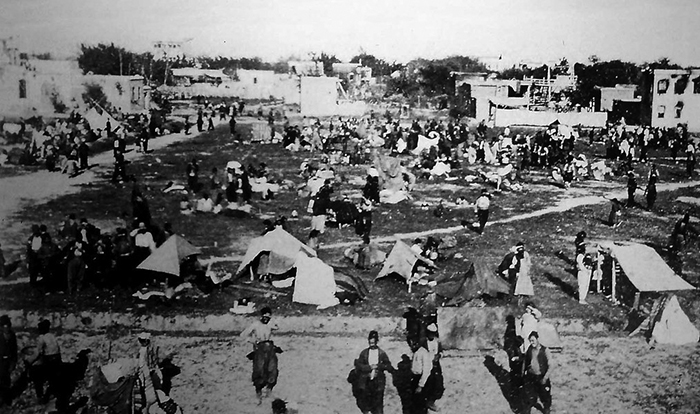
The Union and Progress Party
The Committee of Union and Progress, which later became known as the Union and Progress Party, was a secret revolutionary organization founded on February 6, 1889, in Istanbul. It began as the Ottoman Union Committee, established by a group of medical students at the Grand Military Medical School. Over time, the organization evolved into a political entity and emerged as the leading faction of the Young Turk movement. In Western contexts, the Committee was associated with the Young Turk movement.
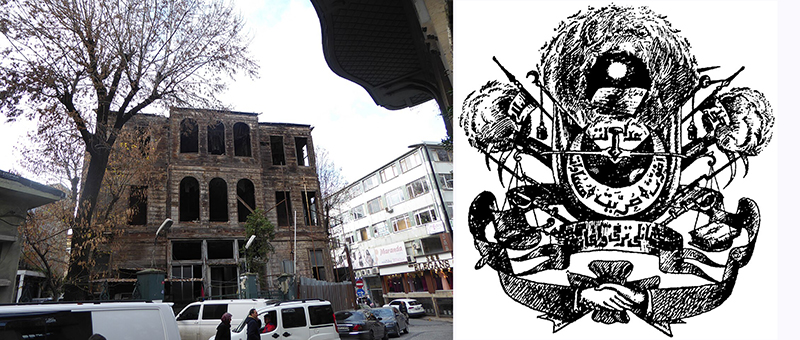
The members of the Committee of Union and Progress faced persecution and exile within Turkey under the government of Sultan Abdul Hamid II, primarily because they represented a liberal movement within the Sultanate. In 1906, they transformed into a secret paramilitary organization and began infiltrating Ottoman army units stationed in the Balkans and other regions. During the 1908 Young Turk Revolution, the Committee of Union and Progress pressured Sultan Abdul Hamid II to restore the 1876 constitution, which led to the establishment of multi-party democracy within the Sultanate. Following the revolution, in 1909, the Committee evolved into a political party based in Istanbul, attracting hundreds of thousands of Ottomans under the leadership of the three pashas: Talat, Enver, and Cemal. Their main rival was the Liberal Union, a faction of the Young Turk movement that advocated for a more liberal and decentralized state, which contrasted with the Union and Progress Party’s goal of establishing a centralized, unitary Ottoman state controlled by them.
The Armenians supported the revolution of the Union and Progress Party in 1908, hoping to escape the tyrannical rule of Sultan Abdul Hamid II. The party’s slogan embodied the aspirations of the Armenians and all minorities within the Ottoman Empire. However, this period of optimism was short-lived, as it was soon followed by a series of Armenian massacres orchestrated by the leaders of the Union and Progress Party: Talat, Enver, and Jamal Pasha. Notably, the Adana massacre took place in 1909. Over time, these violent acts escalated into a systematic genocide that resulted in the deaths of 1.5 million Armenians, ultimately leading to the eradication of the Armenian presence in the Ottoman Empire.
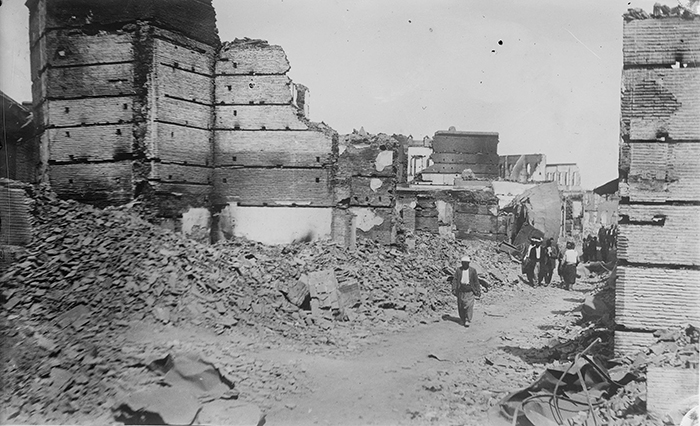
The Adana massacres
The Adana massacres occurred in April 1909, during a counter revolution by supporters of Sultan Abdul Hamid II. This happened after Sultan Abdul Hamid II was compelled to restore the Ottoman constitution due to the Young Turk Revolution of 1908, led by the Committee of Union and Progress. Unlike previous Hamidi massacres, these events were not organized by the central government; instead, they were instigated by local officials. Members of the Committee of Union and Progress, along with Turkish civilians and mobs, participated in the massacres. The motivations behind this violence were primarily economic, as many businesses in the city were owned by Armenians, and banks and financial institutions were largely under their control. This wave of violence was fueled by hatred of Christians, ethnic cleansing, and efforts toward Turkification. Approximately 30,000 Armenians were killed during these massacres, and their properties, businesses, and agricultural resources were forcibly confiscated.
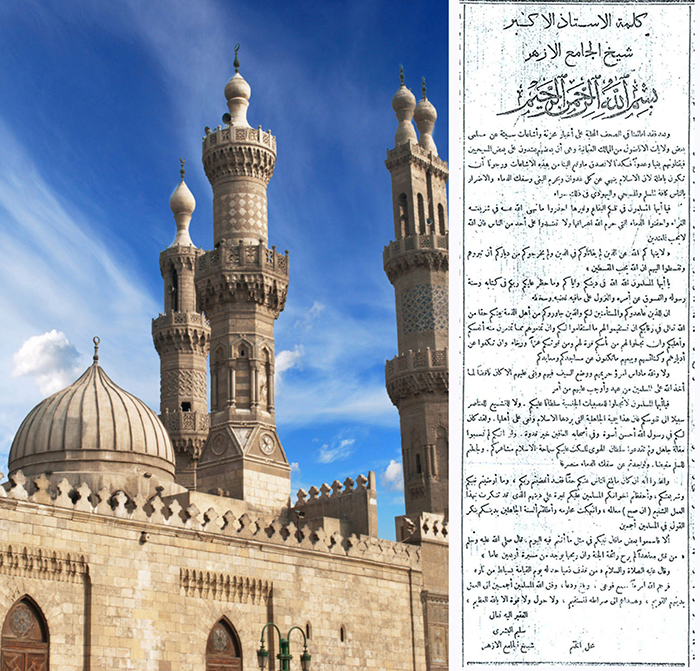
In 1909, Sheikh Salim al-Bishri of Al-Azhar issued a fatwa against the massacre of Armenians in Adana by Turks, emphasizing that such actions are “a disgrace to Islam.”
On Tuesday, April 27, 1909, the Grand Mufti of Islam, Muhammad Zia al-Din, issued a fatwa calling for the deposition of Sultan Abdul Hamid II. In a joint session, 240 members of the Senate unanimously agreed to remove Sultan Abdul Hamid II from power.
Sultan Abdul Hamid II abdicated the throne
Sultan Abdul Hamid II abdicated the throne in favor of his brother, Mehmed V (Reshad), on April 27, 1909. He and 38 members of his entourage moved to Thessaloniki in a humiliating manner, to live in the Jewish-style city in a palace owned by a Jew after all his property and money had been confiscated. He spent horrific years in his palace in Thessaloniki under strict surveillance.
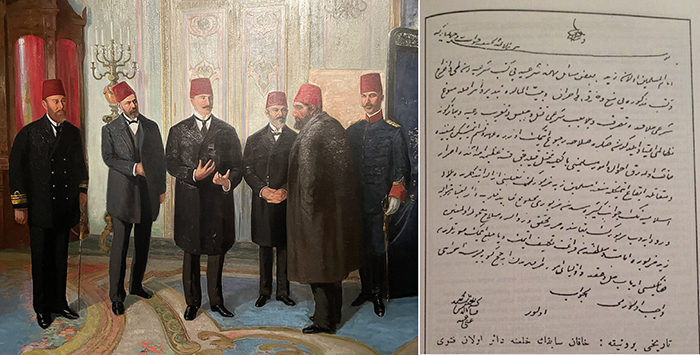
Sultan Abdul Hamid II abdicated the throne in favor of his brother, Mehmed V (Reshad), on April 27, 1909. Following his abdication, he and 38 members of his entourage were forced to move to Thessaloniki in a humiliating manner. They settled in a palace owned by a Jewish individual after all of Abdul Hamid’s property and money had been confiscated. He endured difficult years in his palace in Thessaloniki, where he lived under strict surveillance.
Next: The Union and Progress Party coup led by the trio of Talat, Enver, and Djemal