Russian officials have sharply changed the tone of their public statements regarding Armenia since June 4, replacing the aggressive rhetoric of recent weeks with noticeably more restrained and measured comments.
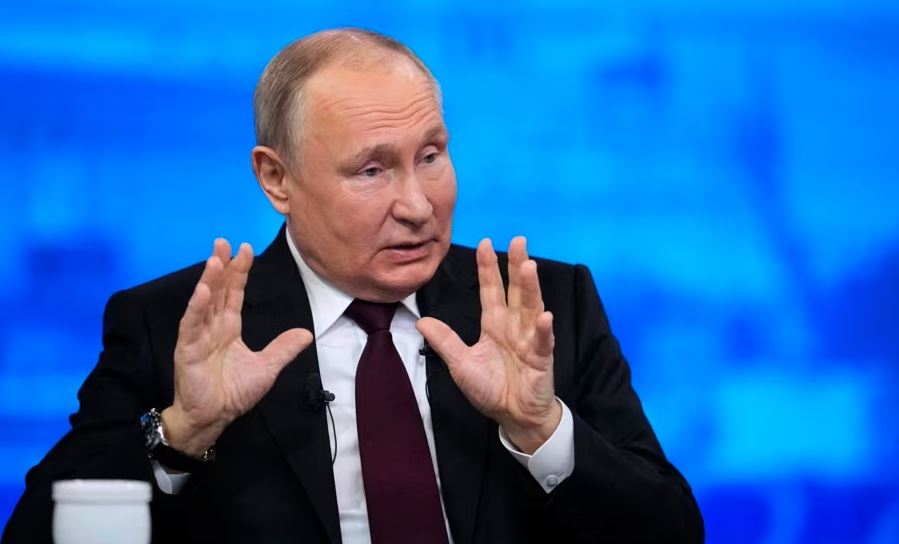
Just days ago, Russian President Vladimir Putin was drawing parallels with the Ukrainian scenario and issuing warnings about Armenia’s growing ties with the European Union. More recently, however, he has emphasized Armenia’s sovereign right to make its own choices and acknowledged that aligning with European standards is not inherently problematic.
Similarly, Russian Deputy Prime Minister Alexey Overchuk, who had recently warned of higher gas prices and other possible economic measures, is now stating that Armenia continues to fulfill its obligations within the Eurasian Economic Union (EAEU) in good faith. Russian Deputy Foreign Minister Mikhail Galuzin has also significantly softened his rhetoric, assuring that there will be no sanctions or “punitive measures” against Armenia. Instead, he noted that if Armenia adopts EU standards, certain procedures within the EAEU framework may simply need to be clarified.
What changed over the past two days that prompted Moscow to adjust its messaging?
According to an analysis published by the Telegram channel Baghramyan-26, several important developments may have contributed to the shift.
Among the key developments:
June 2: The Baku-Tbilisi-Kars railway officially opened, with Armenia’s Minister of Territorial Administration and Infrastructure, Davit Khudatyan, participating in the event. As previously noted by Prime Minister Nikol Pashinyan, the railway provides Armenia with a direct rail connection to European markets.
June 3: Deputy Prime Minister Mher Grigoryan met with Iran’s ambassador to discuss expanding cooperation in the fields of energy, logistics, and trade. Against the backdrop of Russian warnings about possible gas price increases and claims that Armenia has no viable alternative to Russian gas supplies, the meeting sent a clear signal. The Iran-Armenia gas pipeline still possesses substantial unused capacity.
June 3: Armenian and Turkish business representatives met in Kars. Participants included companies involved in food production, beverages, bottled water, juices, fruit exports, tobacco, construction, tourism, and floriculture.
June 4: The U.S. International Development Finance Corporation (DFC) approved financing for the TRIPP development initiative, with some reports suggesting funding of up to $500 million.
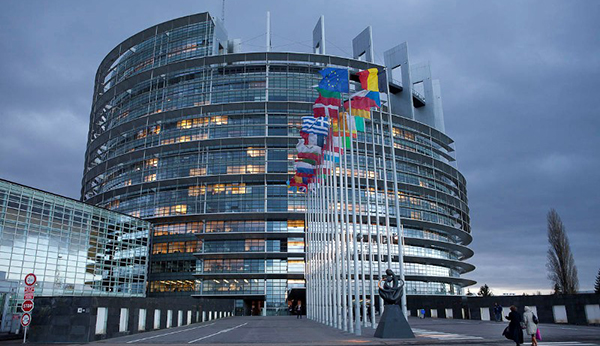
June 4: The European Union officially announced a €50 million assistance package for Armenia to help offset the impact of Russian economic pressure and facilitate greater access for Armenian products to EU markets.
June 4: EU Ambassador to Armenia Vassilis Maragos announced that Armenian products, particularly flowers, would be exported to Latvia and the Netherlands. The first shipment has already arrived in Latvia.
Within just a few days, Armenia made significant progress toward diversifying its foreign economic partnerships, transportation routes, and energy sources—developments that could hardly go unnoticed in Moscow.
Analysts also point to the approaching parliamentary elections and what many view as an increasingly predictable outcome. With the vote just days away, some observers believe Moscow may have concluded that continuing a confrontational approach would be counterproductive.
As a result, Russia appears to be stepping back from its recent hardline rhetoric and adopting a more pragmatic approach toward Armenia.
For a second time, the notion that “Armenia has nowhere else to turn” appears to have been challenged by developments on the ground.
Note: Translated with the assistance of ChatGPT.