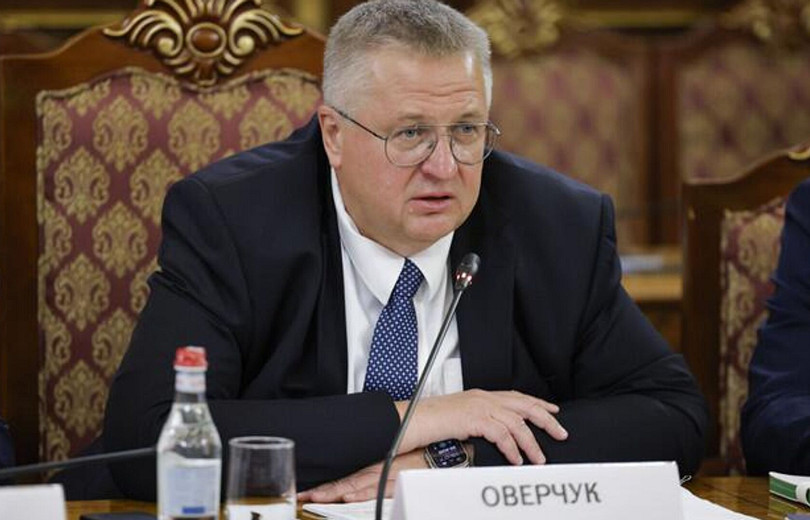
MOSCOW — Trade between Russia and Armenia has declined sharply in 2026 compared with the previous year, and the downward trend is expected to continue, Russian Deputy Prime Minister Alexei Overchuk said.
According to Overchuk, bilateral trade reached a record level of approximately $12 billion in 2024 before falling to around $8 billion in 2025. In 2026, he said, trade turnover has declined by roughly two-thirds.
“The situation developing in relations between the Eurasian Economic Union and Armenia was predictable. Over the past three or four years, we repeatedly told our Armenian partners that such risks existed, particularly the risk of declining trade,” Overchuk said.
He linked the decrease in bilateral trade to the current state of relations between Armenia and the Eurasian Economic Union (EAEU), stressing that Moscow had previously warned Yerevan about the possibility of such developments.
The remarks came amid broader criticism from Russian officials over Armenia’s foreign policy and its increasingly close ties with Western countries.
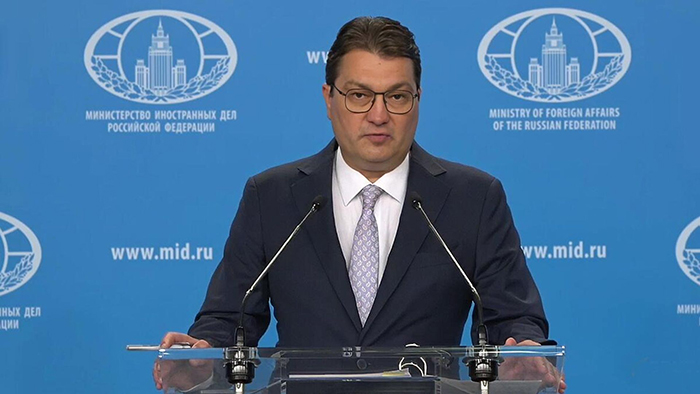
Alexei Fadeev, Deputy Director of the Information and Press Department of the Russian Foreign Ministry, said Armenia’s willingness to pursue what he described as genuine allied cooperation with Russia was increasingly in doubt.
“For the time being, we see that the Armenian leadership views our relations as a one-way street. We naturally expect the Armenian side to demonstrate a more balanced and realistic approach,” Fadeev said.
He accused Yerevan of moving away from its traditionally close relationship with Moscow in favor of alternative foreign policy orientations.
“In Yerevan, they are abandoning exclusive relations with Moscow, which they claim prevent them from choosing alternative directions. Instead, the population and ordinary citizens are being presented with numerous declarations about allied cooperation with the West,” Fadeev said.
He also urged Armenian officials to consider the legal framework governing Armenian-Russian relations before making what he described as sweeping political statements.
“Before making such loud declarations, it would be useful to familiarize themselves with the legal foundation of Armenian-Russian relations, which clearly sets out who owes what to whom and to what extent,” the Russian Foreign Ministry official said.
Fadeev also criticized what he called “demonstrative courting between Yerevan and the Kyiv authorities,” referring to Armenia’s growing contacts with Ukraine.
“If Yerevan wants its interests to be taken into account, then why should Moscow not raise similar questions with its Armenian partners?” Fadeev concluded.
The statements by Overchuk and Fadeev reflect increasing economic and diplomatic pressure from Moscow as relations between Armenia and Russia continue to face strains over Yerevan’s foreign policy direction and its expanding engagement with Western partners.