
By KRIKOR KHODANIAN
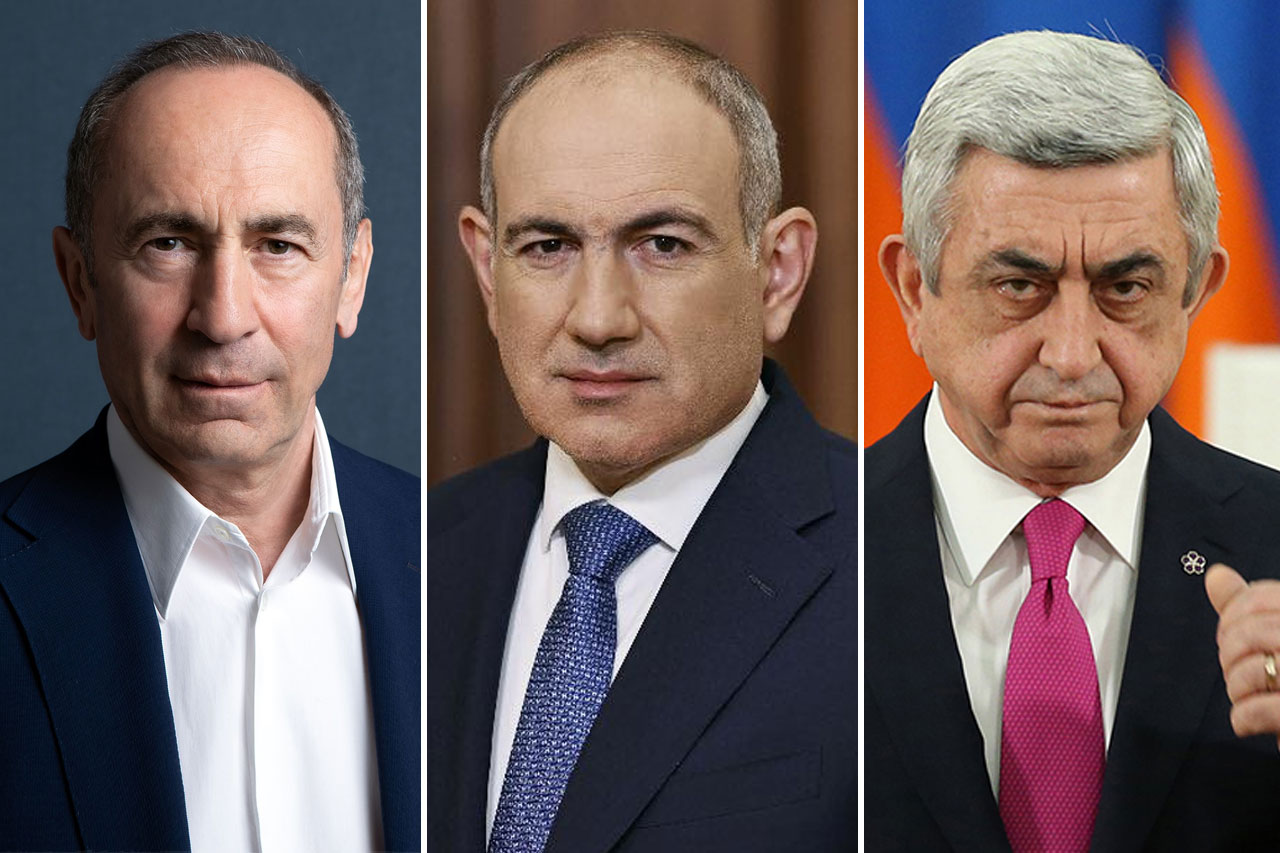
In recent days, the two figures who have served as presidents of Armenia—Serzh Sargsyan and Robert Kocharyan—have given interviews timed to coincide with the fifth anniversary of the 44-day war. The first held a seven-hour “podcast” conversation with two journalists, while the second—Kocharyan—gave a one-hour interview to the journalist of his preferred television station, “5th Channel.” Both answered questions from friendly journalists, confident that they would not be asked difficult questions nor face any challenges to their responses.
In both cases, they insist that the war was provoked by the Armenian side, claiming that Armenia withdrew from the negotiation process. They also blame Pashinyan for declaring in Stepanakert, “Artsakh is Armenia, period.” They further accuse the government of demoralizing the army and weakening its combat readiness.
If Pashinyan is to blame for starting the war, then what caused the four-day war of April 2016, during which the Armenian side lost territory, and a ceasefire was announced only after Yerevan, through Russia, promised to return five regions adjacent to Artsakh to Azerbaijan? It would be naïve to believe that after arming its military for many years and spending tens of billions of dollars in that direction, Baku suddenly decided to launch a large-scale attack just because of that one statement by Pashinyan.
These days, many are rightfully asking Sargsyan and Kocharyan why, after jointly leading the country for twenty years, they did not resolve the issue, and why they now accuse their successor of leading the negotiations into a dead end.
In response to these accusations against him, Pashinyan promises to publish all negotiation documents so that speculation may end and the public may know how each party handled the various proposals of the Minsk Group.
The Prime Minister also drew public attention to Serzh Sargsyan’s speech delivered on April 17, 2018, from the podium of the National Assembly as a candidate for Prime Minister:
“Azerbaijan will very likely try to resolve the Artsakh issue through war. For a very long time, we must devote the greatest attention to reforming our armed forces, acquiring new weaponry, producing our own arms, and—most importantly—ensuring that the spirit of the Armenian soldier and officer always remains high, addressing their everyday concerns, and strengthening their confidence in the future under any circumstances.”
Thus, Sargsyan indirectly acknowledged that all these areas had been lacking during the ten years of his presidency.
Kocharyan, Sargsyan, and other opposition figures, through their statements, not only criticize the behavior of the current authorities but also provide testimony against Armenian statehood—testimony that Azerbaijan uses before the international community to justify its claim that Yerevan is responsible for the war.
Pashinyan has often admitted that he accepts his share of responsibility for the defeat in the 44-day war. However, the others act as though everything proceeded smoothly and peacefully during their rule. It is time for them as well to acknowledge the consequences of the flawed policies they pursued on the Artsakh issue. No matter how hard they try, interviews will not allow them to justify themselves before the Armenian people—not only regarding Artsakh but also for leading the country toward the abyss, for which they were ultimately removed from power.
“MASSIS”
Note: Translated with the assistance of ChatGPT.