
ISTANBUL — Under a new decision by Turkey’s Ministry of Education, children who are Armenian citizens living in Turkey will no longer be permitted to attend Armenian minority schools in the country.
For approximately a decade, Turkish authorities had allowed children from Armenia whose parents held work or residency permits in Turkey to attend Istanbul’s Armenian schools under “guest student” status.
The children attended classes alongside Turkish-Armenian students and took examinations, but they did not receive official graduation certificates. Instead, they were issued documents listing their final grades.
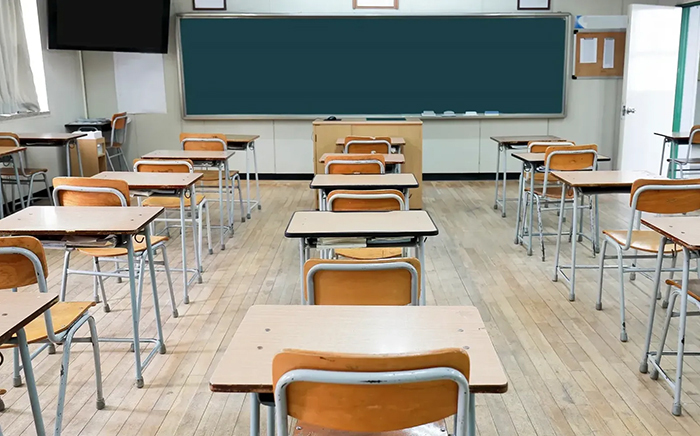
However, inspectors from Turkey’s Education Ministry recently informed Armenian schools that children who are citizens of Armenia will no longer be allowed to continue their education there. Under the new rules, they will instead be required to attend Turkish public schools.
Ara Gochunyan, editor-in-chief of Istanbul’s Armenian-language Jamanak newspaper, told Armenpress that the ministry’s decision does not apply exclusively to Armenian schools or Armenian citizens.
“The ministry had certain observations concerning other minority schools as well, on the basis of which it felt intervention was necessary. As a result, a situation has been created in which children from families that migrated from Armenia and attend our schools under ‘guest student’ status are being deprived of that opportunity,” Gochunyan said.
He clarified that the decision concerns Armenian community minority schools and does not apply to Istanbul’s Hrant Dink School.
Operating since the early 2000s, the Hrant Dink School is not officially recognized by Turkish authorities and has no formal status. It provides education to children of Armenian migrants temporarily residing in Turkey, using Armenian textbooks and following Armenia’s educational curriculum.
Children who graduate from the Hrant Dink School can travel to Armenia, take examinations and continue their education there. By contrast, Armenian-citizen children attending recognized minority schools have no formal student status and do not receive official certificates.
“Even having a document confirming their grades often creates difficulties when these children try to continue their education in Armenia. Nevertheless, attending Armenian schools at least provided these children with an educational environment while living in Istanbul,” Gochunyan said.
The union representing Armenian foundations, or vakifs, in Turkey is expected to hold a meeting on the issue with representatives of all foundations that operate schools. Participants are expected to discuss possible solutions to the situation.
Up to 3,000 children attend Armenian schools in Istanbul, approximately 70 of whom are Armenian citizens who, until now, studied under “guest student” status.
“Even the guest-student arrangement was made possible with the permission of the Turkish authorities. Community leaders are now examining the various aspects of the issue and preparing proposals for the authorities in an effort to understand how the matter can be resolved,” Gochunyan said.
He added that after the meeting, a delegation representing the Armenian community may seek a meeting with the Istanbul Governor’s Office to raise the community’s concerns.