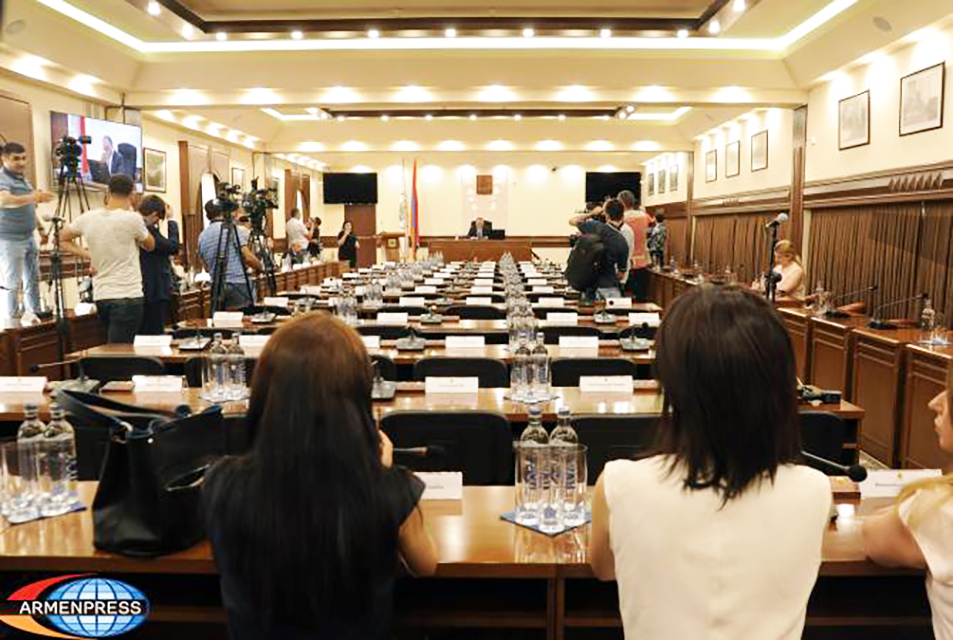
YEREVAN — Naira Sultanian, Director of the Democracy Development Foundation and a participant in the “Bridge of Peace” initiative, highlighted two key points from the meeting held in Tsaghkadzor during a press conference.
The first, she said, was that both sides freely discussed humanitarian issues of concern to them. For the Armenian side, that issue is the matter of prisoners.
“I want to emphasize again that this group does not have the authority to influence the processes in any way, but it does have the opportunity to shape public opinion. Therefore, we once again tried to explain to our Azerbaijani partners why the presence of prisoners in Baku does not fit within the logic of the current peace process.
“They, for their part, raised humanitarian issues as well, including maps of mined territories and the fate of Azerbaijanis missing since the war in the 1990s. As you understand, we do not have clear answers to all of these questions, but we are trying, reciprocally, to understand each other and clarify certain information.”
Sultanian added that for both societies, the process is unfolding very rapidly, and people on both sides are struggling to keep pace with developments.
“Both sides complain that they cannot keep up with the political processes. But we pointed out that historically, it is usually the opposite—when societies are ready, but political processes move slowly. Now we have the opportunity to move forward at an equal, if not faster, pace,” she said.