
By KRIKOR KHODANIAN
The Armenian government has appealed to the European Union, requesting assistance in combating foreign interference and the spread of disinformation during the pre-election period
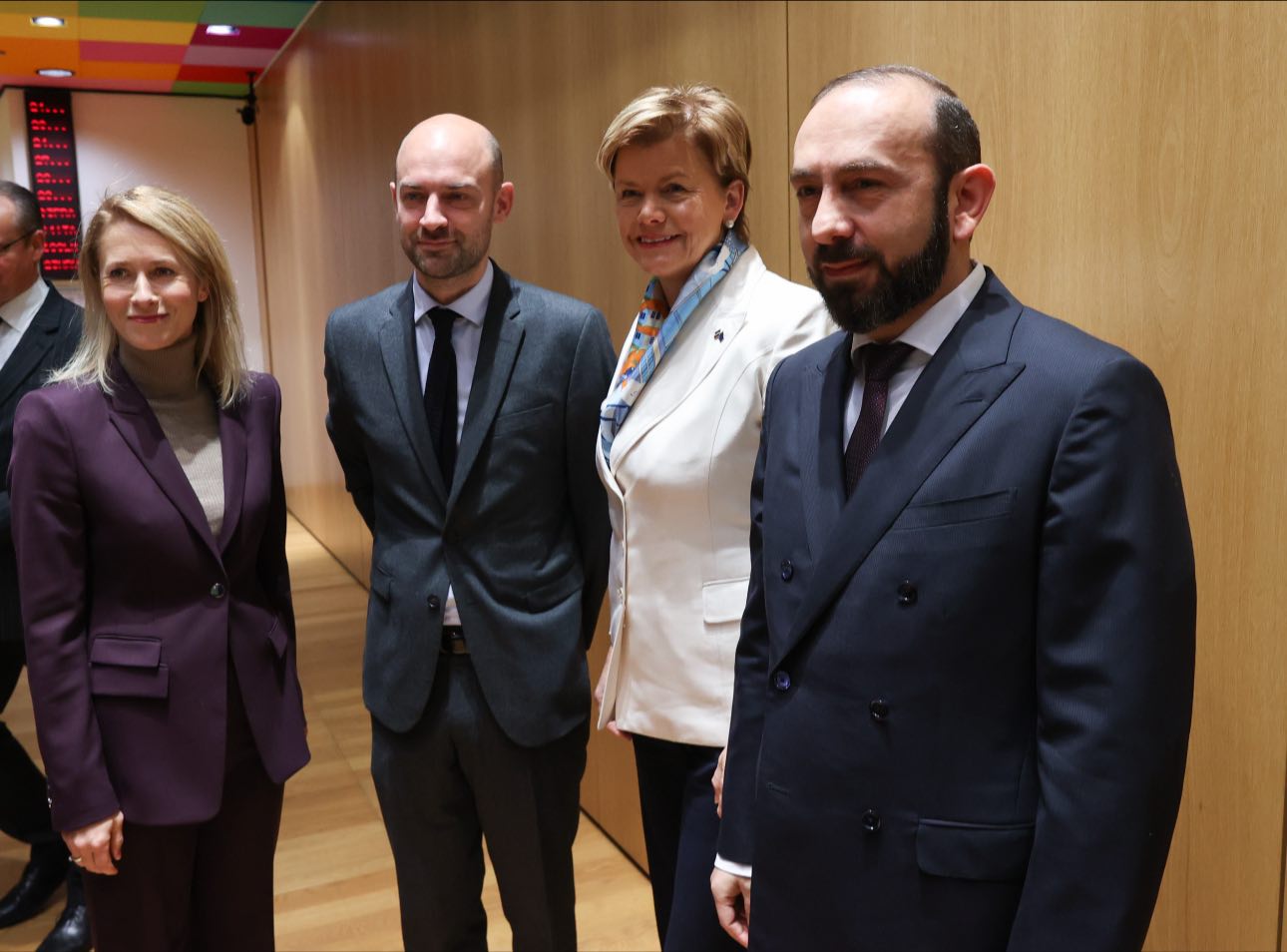
Responding to this request, the EU High Representative for Foreign Affairs and Security Policy and Vice President of the European Commission, Kaja Kallas, stated that the possibility of providing such assistance is under consideration, similar to the support extended during Moldova’s elections to counter Russian interference.
Although the Armenian side does not explicitly name the expected source of interference—so as not to further strain relations with Moscow—it is clear that the primary interference is anticipated from the “northern ally.” In recent years, Yerevan’s multi-vector foreign policy and its increasingly close relations with the West have been poorly received by the Kremlin. Consequently, Russia would prefer to see a leadership more acceptable to it in power.
Six months before the elections, the public space is already flooded with disinformation and blatantly false content. The main targets are state institutions and representatives of the ruling party, as well as their family members. By spreading falsehoods about them, efforts are being made to foster an atmosphere of distrust and resentment toward the authorities.
At present, the authorities lack sufficient resources to counter disinformation coming from various directions, or what are referred to as “hybrid” threats. The EU, however, has a dedicated program to address foreign information manipulation and interference, which systematically monitors, analyzes, and responds to disinformation campaigns, including those linked to Russia. This program includes situational awareness, rapid alerts, and diplomatic responses.
Armenia’s opposition has protested this appeal to the European Union, characterizing the move as interference in the country’s internal affairs and an attempt to influence the outcome of the elections.
Armenia is one of the rare countries where the opposition possesses greater financial and media resources than the authorities to influence public opinion. The “deployment” to Armenia of Russian-based billionaire Samvel Karapetyan is part of a plan to change the government; however, he alone cannot succeed and requires the support of the Russian media network, which operates freely in Armenia, as well as the disinformation “factory,” where thousands of specialists work—well acquainted with the public mood and existing problems of the targeted country.
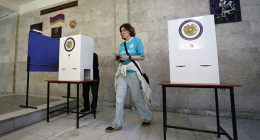
The parliamentary elections scheduled for June 2026 are set to become the most important in Armenia’s recent decade. The country’s democracy is at stake, making preventive measures essential. In this context, the Armenian government’s appeal to the European Union and other friendly institutions is justified, in order to ensure the conduct of free and fair elections.
“MASSIS”