
During the Iran-Israel conflict, Armenia helped India evacuate 110 citizens stranded in Iran, allowing them to cross into Armenia and fly home from Yerevan. This act highlighted Armenia as a trusted partner and demonstrated the strength of Indo-Armenian ties, Awazthevoice reports.
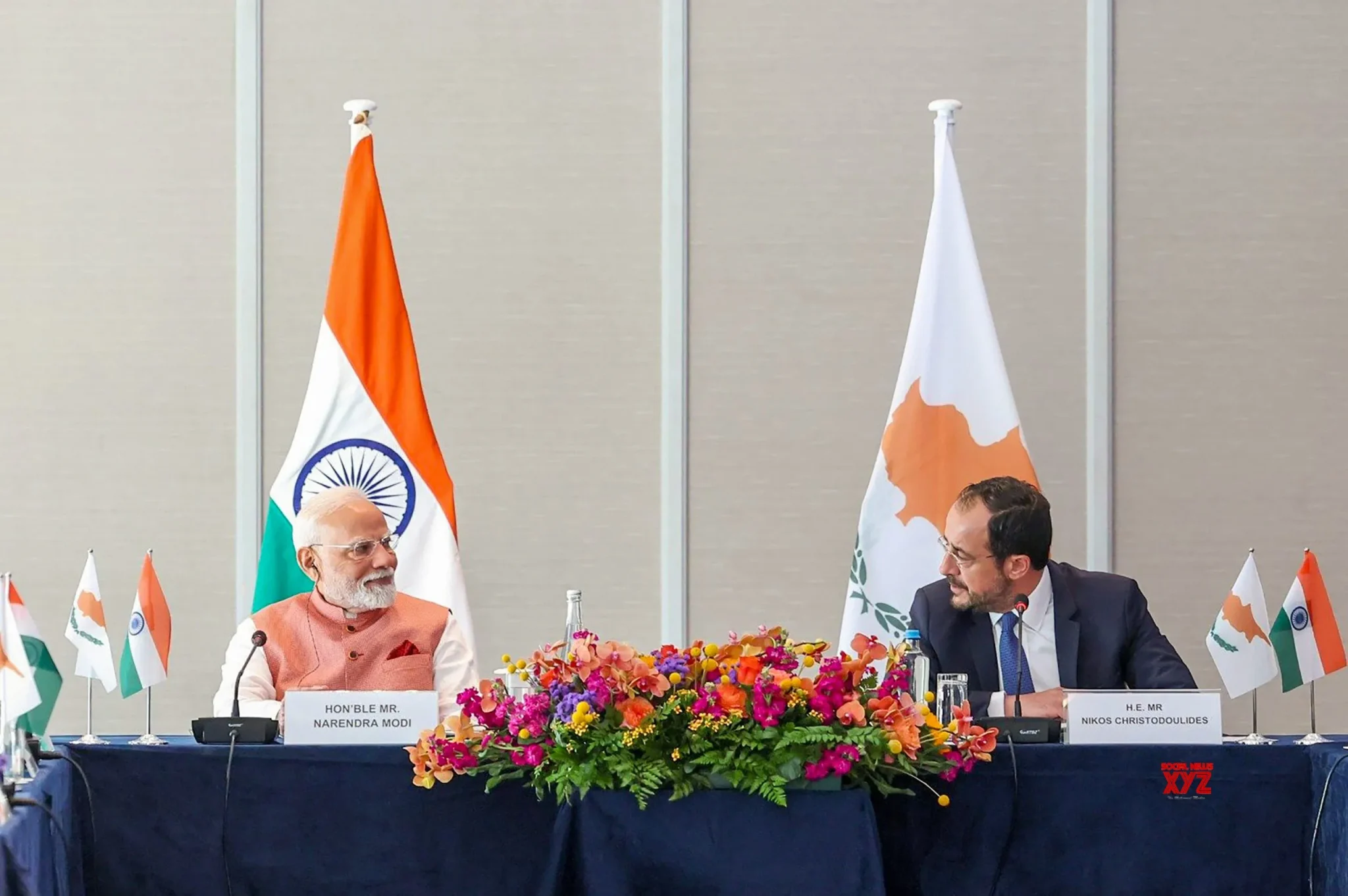
India’s regional engagement has gained momentum, marked by Prime Minister Narendra Modi’s visit to Cyprus—the first by an Indian PM in over two decades. Alongside Armenia and Greece, Cyprus forms a strategic axis countering Turkey’s aggressive regional posture, especially as Ankara aligns with Pakistan militarily.
Turkey’s expansionism, particularly in the Aegean Sea, continues to spark tension with Greece. Ankara’s recent maritime claims have been challenged by Athens, citing violations of international maritime law. In 2020, tensions escalated with Turkish naval activity in Greek waters, prompting French military support for Greece.
Cyprus also remains at odds with Turkey, which has occupied its northern territory since 1974. Recently, Central Asian countries, including Kazakhstan and Uzbekistan, backed a UN resolution denouncing Northern Cyprus as “occupied”—a blow to Turkey’s narrative.
Armenia’s relationship with Turkey remains strained, particularly after Turkish support for Azerbaijan’s 2023 offensive in Nagorno-Karabakh, leading to mass displacement of Armenians and reopening historical wounds rooted in the 1915 genocide.
In contrast, India is positioning itself as a constructive regional partner. With Cyprus, India is deepening cooperation in defense, trade, innovation, and may introduce UPI-based cross-border transactions. Modi’s visit also launched the India-Greece-Cyprus Business and Investment Council to boost trilateral ties in renewable energy, aviation, and digital payments.
Greece, a strong IMEC ally, has endorsed India’s stance on regional conflicts and supports doubling bilateral trade, currently at $2 billion. Defense cooperation is also growing, with joint exercises and strategic investments planned.
Armenia sees India as a reliable ally, especially in defense. Armenia has imported Indian military equipment, including Swathi radar, Pinaka rockets, and Akash missiles. Bilateral trade remains modest at $131 million but is expected to grow, with partnerships expanding into renewable energy, AI, and infrastructure.
India’s engagement with Armenia, Greece, and Cyprus underscores its strategic pivot to the Mediterranean, countering Turkish influence while building long-term regional alliances.