
By Eng. HAMBERSOM AGHBASHIAN
Why Turkey Does Not Recognize the Armenian Genocide
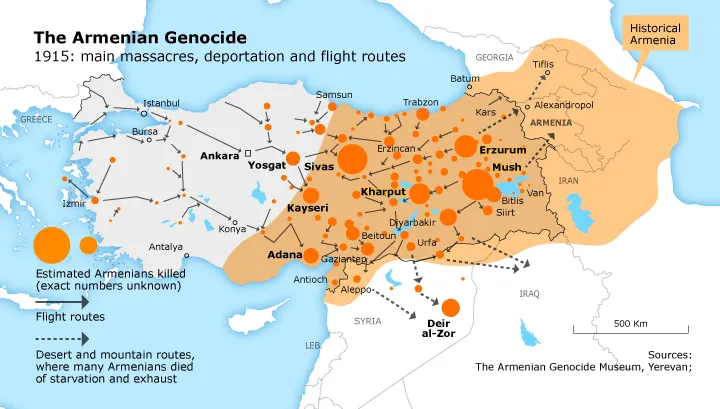
Turkey does not officially recognize the events of 1915 as genocide for several reasons connected to national identity, historical narrative, and political interests. A major factor is the strong nationalist resistance to acknowledging these events. Many in Turkey argue that the atrocities were not a premeditated or state-orchestrated extermination but rather a consequence of wartime turmoil. There is also a belief that recognizing the genocide would undermine foundational elements of the modern Turkish state, as the confiscation of Armenian property played a key role in its early economic structure.
The Turkish government also fears that recognition would trigger demands for reparations or territorial claims. For decades, Turkey has punished citizens who speak openly about the genocide, reinforcing a culture of denial. Some in Turkey contend that the historical narrative should equally acknowledge Turkish suffering during the same period.
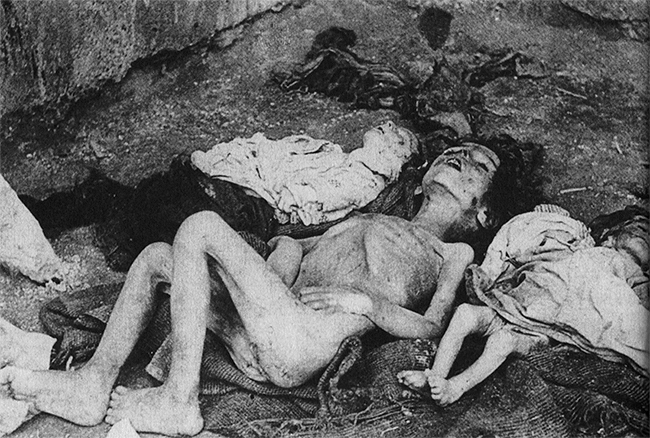
However, denial of the genocide began before, during, and after 1915, rooted in the Young Turks’ insistence that there was no plan to deport or kill Armenians en masse.
Arguments for Denial
Wartime Conflict
Turkey’s official position is that the deaths of Armenians during World War I were tragic but resulted from civil unrest and warfare rather than a state-directed extermination. Some Turkish narratives claim the events do not meet the definition of genocide because, according to them, there was no intent to destroy the Armenian people. They further argue that ethnic Kurds were largely responsible for the killings and deportations.
This is inaccurate. The pattern of deportations and coordinated killings across the Ottoman Empire demonstrates clear state planning and direction.
Number of Deaths
Turkish authorities argue that fewer Armenians died than the commonly cited figure of 1.5 million, and that most deaths resulted from hunger and disease.
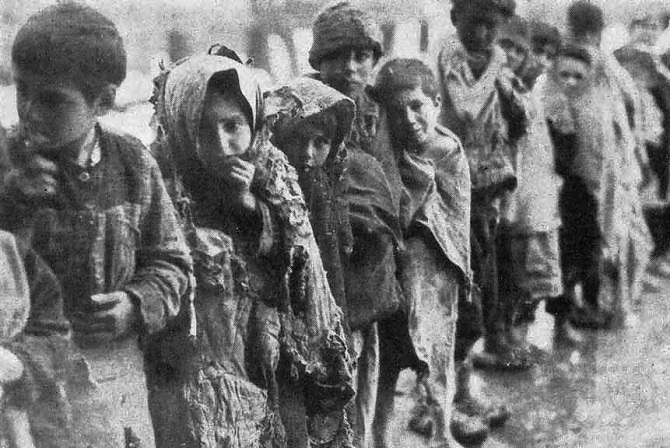
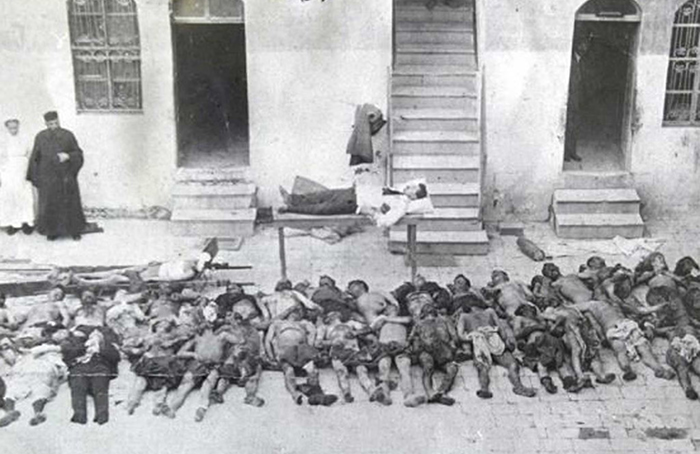
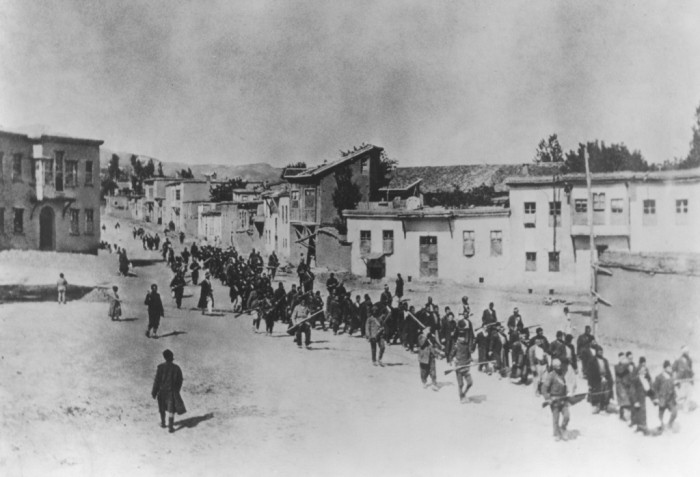
This, too, is contradicted by historical evidence. Foreign missionaries, diplomats, and witnesses documented widespread massacres. U.S. Ambassador Henry Morgenthau described the atrocities in The Murder of a Nation. German officer Armin T. Wegner photographed the deportations and killings firsthand. Survival rates among deportees were extremely low due to deliberate deprivation and targeted violence. The New York Times reported extensively on the one-sided massacres throughout 1915.
Nationalism and Identity
The denial of the Armenian Genocide is deeply tied to Turkish nationalism and the founding mythology of the republic. Many in Turkey view recognition as a direct threat to national pride and identity. Officials often emphasize that Turks also suffered during the war, framing the tragedy as mutual.
This view ignores the systemic nature of the genocide—organized phases of persecution that included disarming Armenian soldiers, placing them in deadly labor battalions, and systematically killing civilians.
Social and Political Pressure
Public acknowledgment of the genocide remains dangerous in Turkey. Article 301 of the Penal Code restricts open discussion, and journalists, historians, and activists have faced prosecution for speaking about the genocide. Denial remains a cornerstone of Turkish foreign policy, with officials condemning global recognition efforts as biased or hostile.
Property and Wealth
The Armenian Genocide resulted in the large-scale confiscation of Armenian property. “Abandoned Property Commissions” were established to assess and seize Armenian assets. These laws—Emval-i Metruke—ensured that Armenian homes, businesses, and estates were appropriated and redistributed to benefit Turkish refugees or government institutions. This wealth transfer helped shape the economic foundation of the modern Turkish state, giving it a material incentive to deny the genocide.
Consequences for Turkey if It Recognizes the Genocide
Recognizing the Armenian Genocide would fundamentally challenge the founding narrative of the Turkish Republic, which asserts that Armenian deaths were wartime casualties rather than part of a systematic extermination campaign.
Any political leader who acknowledges the genocide risks significant backlash, potentially being labeled a “traitor” or a threat to national unity. While some believe recognition could lead to long-term healing and reconciliation, the near-term political consequences would be severe.
Potential Legal Claims
One of Ankara’s primary fears is the possibility of international lawsuits seeking reparations or the return of confiscated properties. Although legal experts debate how viable such claims would be, the possibility acts as a major deterrent to recognition.
Diplomatic Impact
Turkey’s denial has damaged its global reputation and strained relations with countries that acknowledge the genocide. Official recognition could improve Turkey’s international standing and remove a long-standing source of diplomatic conflict.
Moral and Historical Accountability
Acknowledgment would require Turkey to confront a “foundational sin.” For the state, this poses an existential challenge. Denial enables political leaders and society to avoid moral responsibility and perpetuates impunity. It also obstructs the healing process for survivors and their descendants.
Next: The Importance of Studying and Recognizing the Armenian Genocide Today