By ENG. HAMBERSOM AGHBASHIAN
What Happened During the Armenian Genocide in 1915?
The Armenian Genocide was the systematic destruction of the Armenian people and their cultural identity under the Ottoman Empire. This tragic event was planned and carried out by the Committee of Union and Progress, led by a triumvirate consisting of Talat, Enver, and Cemal Pasha. The plan began with:
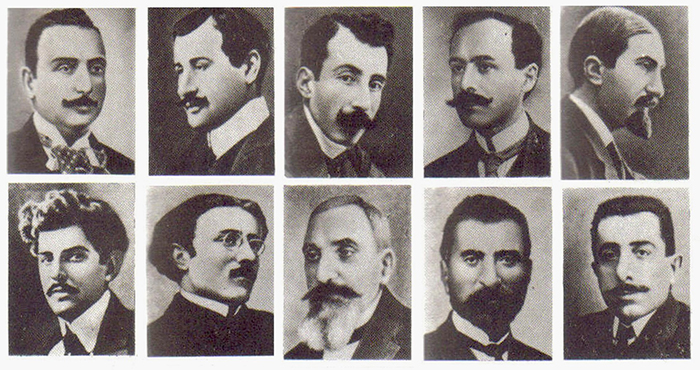
On April 24, 1915, Interior Minister Talat Pasha issued an official order that initiated a tragic series of events. That night, the first wave of arrests took place in Constantinople, where between 235 and 270 Armenian intellectuals, leaders, and prominent figures were detained. Turkish authorities in provinces beyond the capital also arrested hundreds of Armenian intellectuals, including writers, poets, editors, professors, doctors, pharmacists, lawyers, political and religious leaders, members of the Ottoman parliament, and others who had made significant contributions to the Ottoman Empire. Ultimately, the total number of arrests and deportations involving Armenian leaders and intellectuals reached 2,345. These individuals were exiled to unknown locations, and their fates remain uncertain.
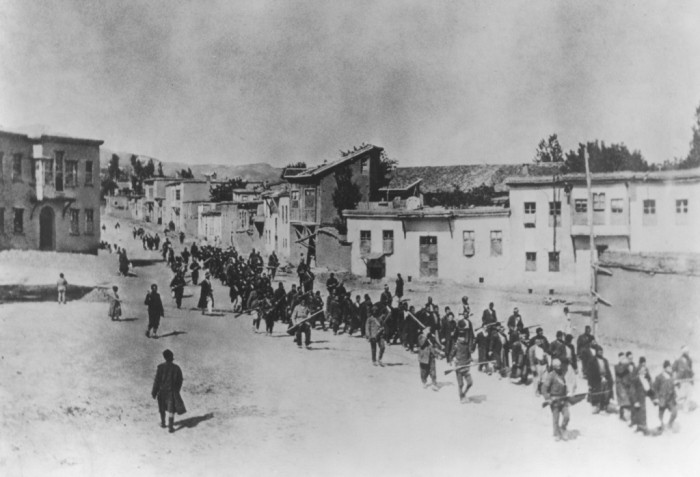
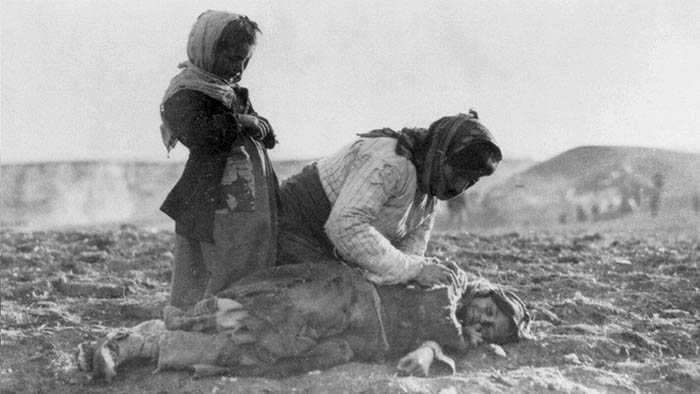
Talat Pasha executed a plan that resulted in the forced deportation of over one million Armenians to the Syrian Desert between 1915 and 1916. Accompanied by paramilitary escorts, these deportees were deprived of food and water and suffered from robbery, rape, and massacres along the way. Between 100,000 and 200,000 Armenian women and children were forcibly converted to Islam. Furthermore, killings and acts of ethnic cleansing against the surviving Armenians continued throughout the Turkish War of Independence.
On orders from the central government in Constantinople, provincial officials conducted large-scale deportations with the assistance of local civilians
Hrant Dink, the Editor-in-Chief of the bilingual Turkish Armenian newspaper Agos, stated in an interview with journalist Sako Arin, that 150000 Armenian children were being forcibly adopted by Turkish families and assimilated into Turkish society after the Armenian Genocide.
Tens of thousands of Armenian women had the same Fate.
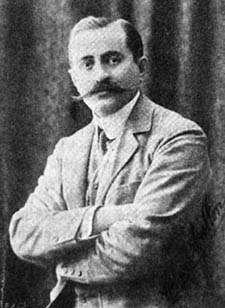
Dr. Bahaeddin Shakir was a prominent figure in the Armenian genocide. As a Turkish nationalist politician, he held significant influence within the Central Committee of the Committee of Union and Progress (CUP) and was aligned with the pan-Turanism faction. During the CUP congress in 1910, he proposed deportations as a solution to the “Armenian Question.” In 1915, Shakir put his plans into action; his special organization played a crucial role in enforcing the (Tehcir Law), deportation law, which authorized the temporary deportation of Armenians. In 1916, Shakir issued orders for the execution of a labor battalion comprising 2,000 Turkish Armenian soldiers. He was also responsible for the deportation of Armenians in Ardahan.
Talaat Pasha, a key architect of the Armenian Genocide, made a statement in which he boasted about having resolved the “Armenian Question,” a matter that had troubled the Ottoman Empire for decades. In 1916, he reportedly told a diplomat that he had accomplished in one year what Sultan Abdul Hamid II had been unable to do in 30 years.
People Who Helped the Armenians Who Survived the Ottoman Massacres
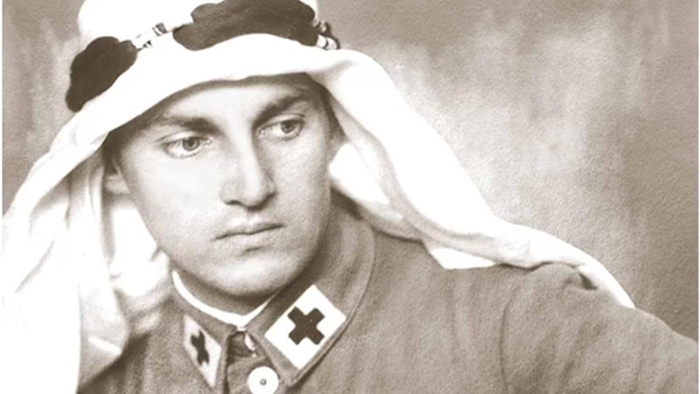
Armin T. Wegener (1886-1978) was a German soldier, prolific author, and human rights activist. During World War I, he served in the German Sanitary Corps in Eastern Turkey, where he witnessed the genocide of the Armenians. He courageously documented this atrocity through photographs, often putting himself at great personal risk.
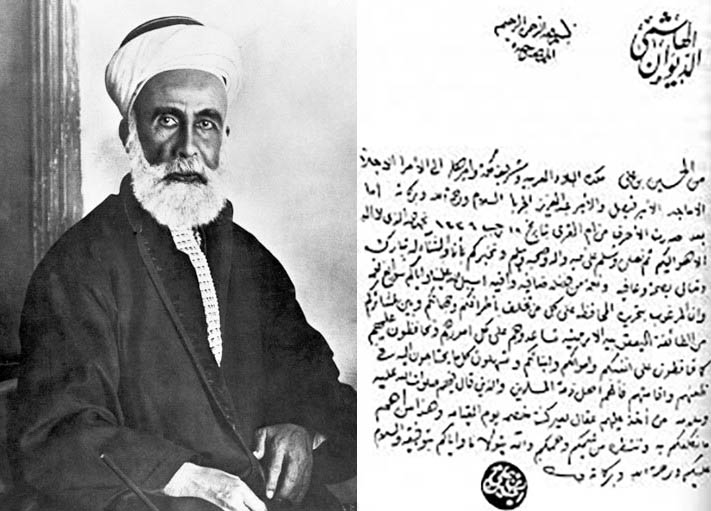
The late Sharif Hussein bin Ali, King of the Arabs, issued a decree instructing noble and honorable princes, including Prince Faisal and Prince Abdul Aziz al-Jarba, Sheikh of the Shammar tribes, to protect and assist the Armenian refugees who survived the Ottoman massacres.
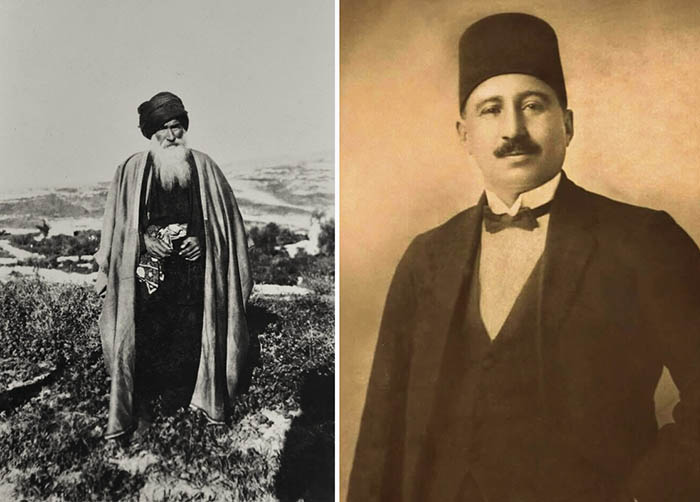
The Yazidi leader, Sheikh Said Shero, offered shelter to the Armenian refugees who reached his hometown in Sinjar, Iraq, refusing to hand them over to the Turkish gendarmerie and soldiers. Similarly, the Iraqi Kurdish leader Sheikh Muhammad Shams al-Din Agha protected Armenian refugees and other Christians from the brutality of the Ottoman army in Zakho, northern Iraq. Many others aided the surviving Armenians, and some references even mention the Turkish pashas who attempted to help the Armenians as well, but the authorities punished them.
Next: The Turks lost the war, and the Ottoman Empire ended
By KRIKOR KOHODANIAN The parliamentary election campaign in Armenia, scheduled for June 7, is drawing…
WASHINGTON, DC -- The United States supports “Armenia’s sovereignty, territorial integrity, and independence, including Armenia’s…
LONDON/NEW YORK—Bloomsbury Press has announced the publication of the late Dr. Garabet K. Moumdjian’s The Armenian…
YEREVAN -- The construction of a major artificial intelligence (AI) center in the city of…
On June 7, your vote is not merely an election choice; it will determine Armenia’s…
ATLANTA -- According to an exclusive CNN investigation, Israel secretly deployed special military and intelligence…